Loft Conversions
Every loft type, designed, approved and built by one team. more details
Deciding between a loft conversion and moving house rarely comes down to cost alone. Six practical questions to help London homeowners work out which option genuinely suits their home, budget and plans, drawn from nearly two decades of conversions across the city.
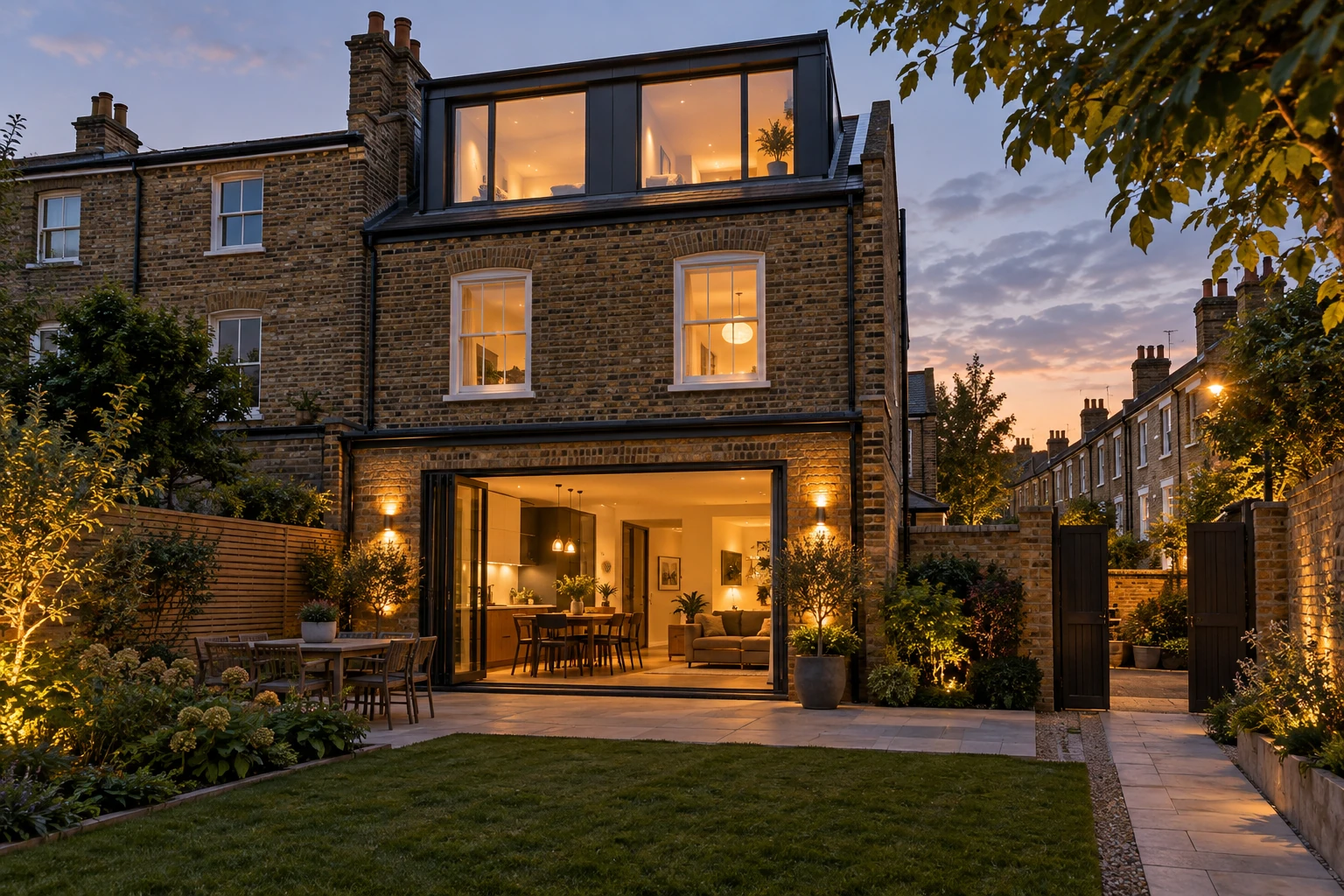
Most homeowners do not begin with a clear question. It usually starts with a feeling that the house has become too small, followed by half an hour on a property portal and a vague sense that something needs to change.
The decision between extending and moving then tends to get made on whichever option feels less daunting that particular week. We have been converting London lofts since 2007, and in that time we have sat in a lot of kitchens with couples who were genuinely undecided. The pattern is consistent. The people who reach a confident decision are the ones who break the question into parts and answer each part honestly, rather than trying to settle it all at once.
Here are the questions worth working through before you commit either way.
Start here, because it is the one factor you cannot change by building anything.
Think about the school catchment, the commute, the neighbours you actually like, the park you walk to on a Sunday, and how close family live. If moving to get the space you need would mean leaving the area you want to be in, extending is usually the honest answer. A larger house in a place you feel less settled rarely solves the original problem.
The reverse is also true. If part of you has wanted to leave the area for a while, no amount of additional space upstairs will fix that. Be clear with yourself about which situation you are in.
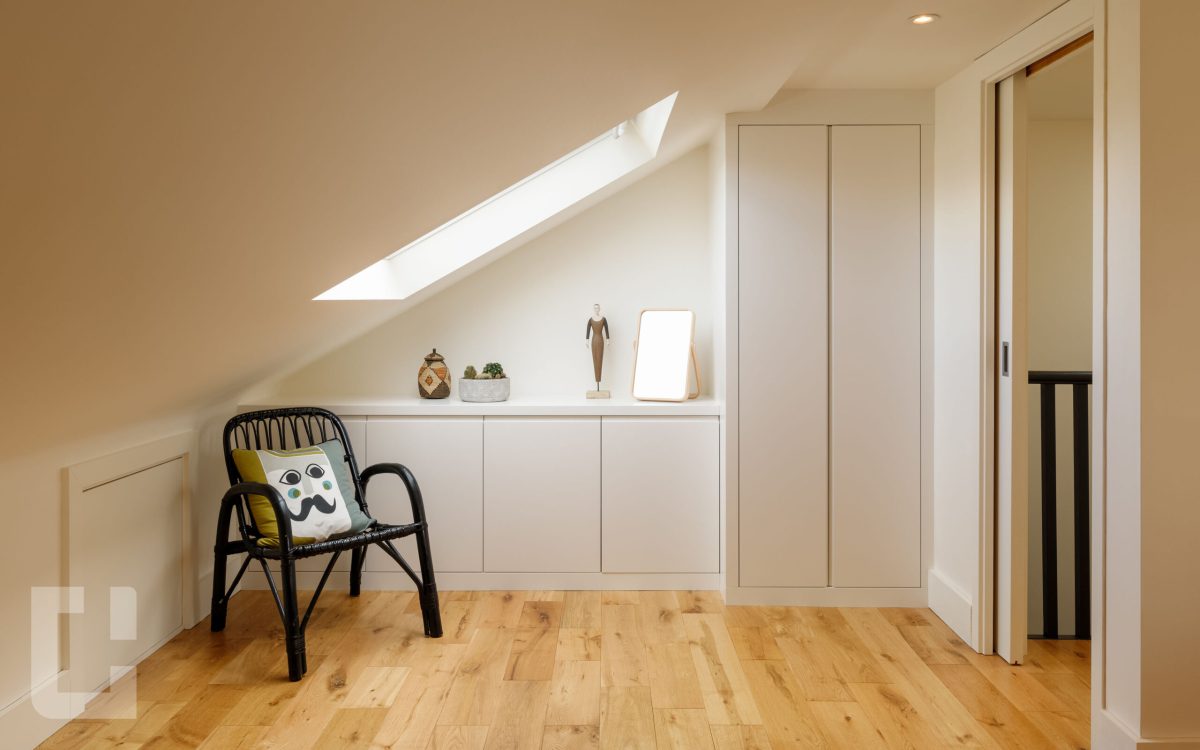
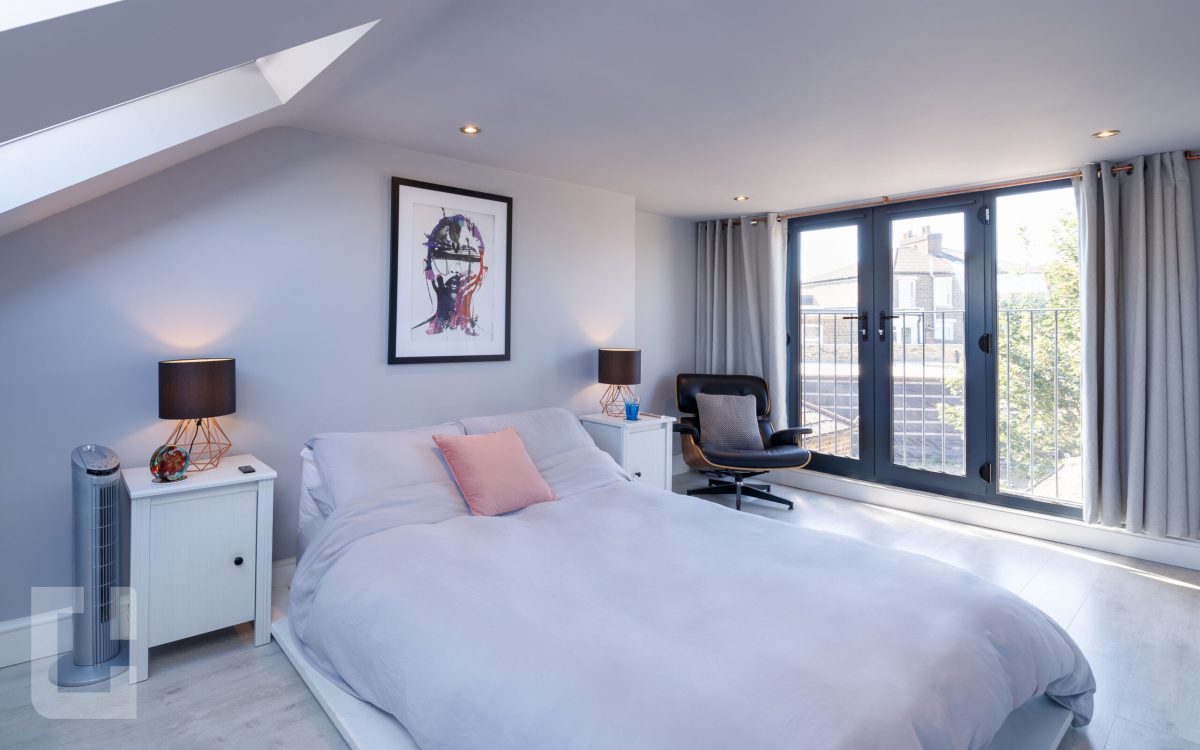
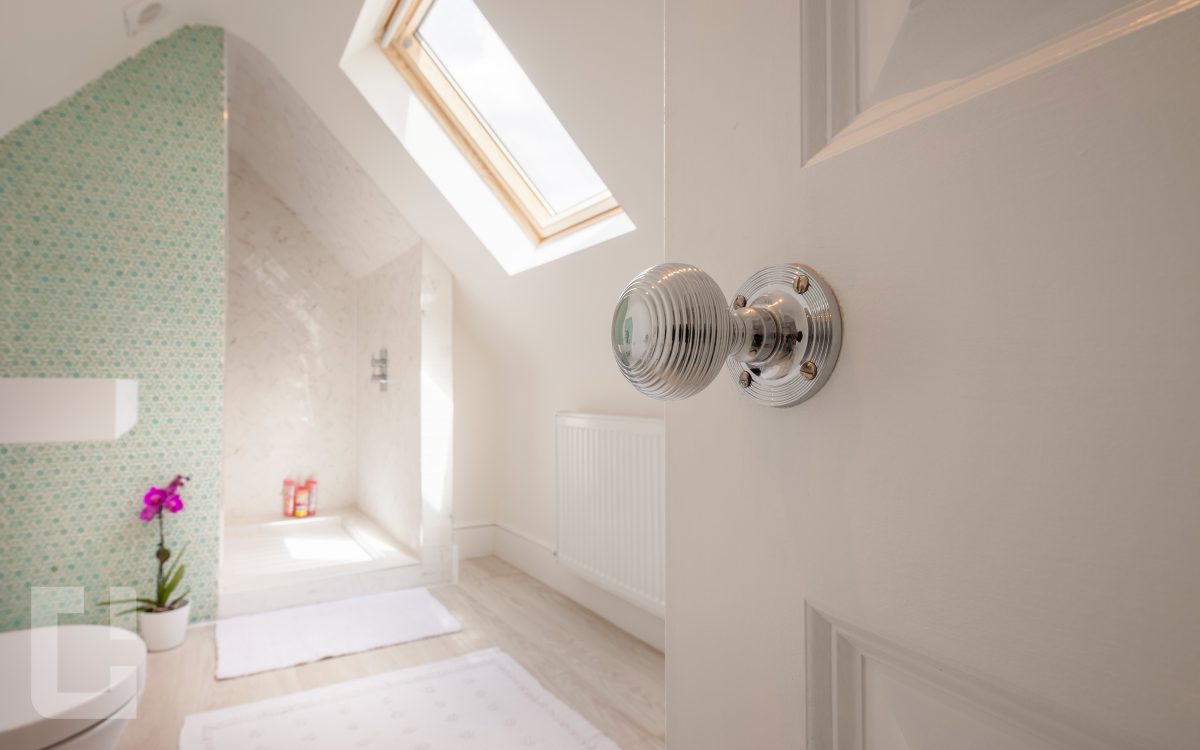
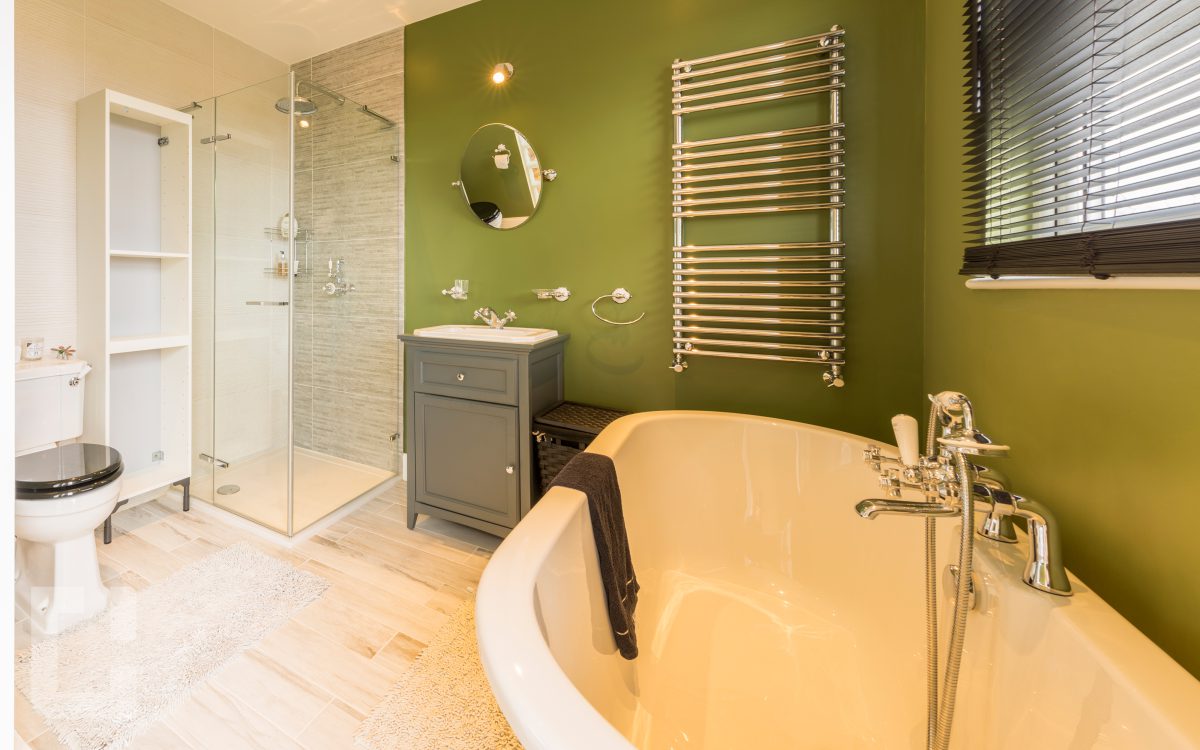
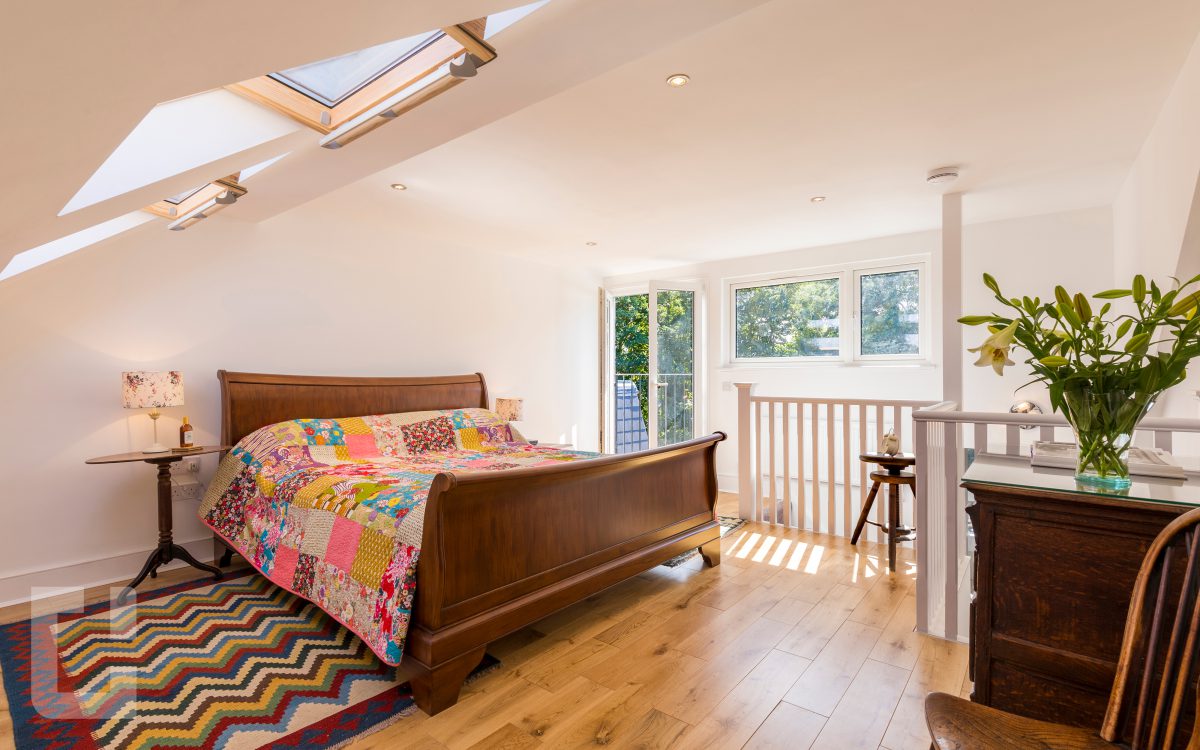
This is one of the most common reasons homeowners come to us. On a detached property in London, Mark and Julia were a growing family weighing up a move, and instead chose a loft conversion that added two bedrooms and two bathrooms. You can read how that project at Scotland Road was managed around family life.
Comparing a build cost against an asking price is not a fair comparison. Moving carries costs that buy you no extra space at all: stamp duty, agent fees, legal work, surveys, removals and, very often, some redecoration at the other end.
Add those figures up for the kind of property you would realistically be buying. Then compare that total against the cost of the space you would gain by converting your loft or extending the ground floor. We set out this comparison in more detail on our home extensions page, because it is the sum most homeowners have never actually done.
For plenty of London homes, the transaction costs of moving alone represent a meaningful proportion of a conversion.
This is a question about cashflow and temperament, not just totals.
Moving up usually means a larger mortgage on a more expensive property, committed for decades. Extending means a defined project cost, which many homeowners fund through savings, a remortgage or a combination of the two.
How that money leaves your account matters as well. We do not ask for a large payment up front. A reasonable deposit secures the project, then the remaining cost is split across six stage payments linked to real progress on site, which is explained in how we work. For households who are nervous about handing over a big lump sum to a builder, that structure often changes how the decision feels.
Ask yourself which you would rather carry: a higher monthly repayment for the next twenty five years, or a known project cost paid in steps over a few months.
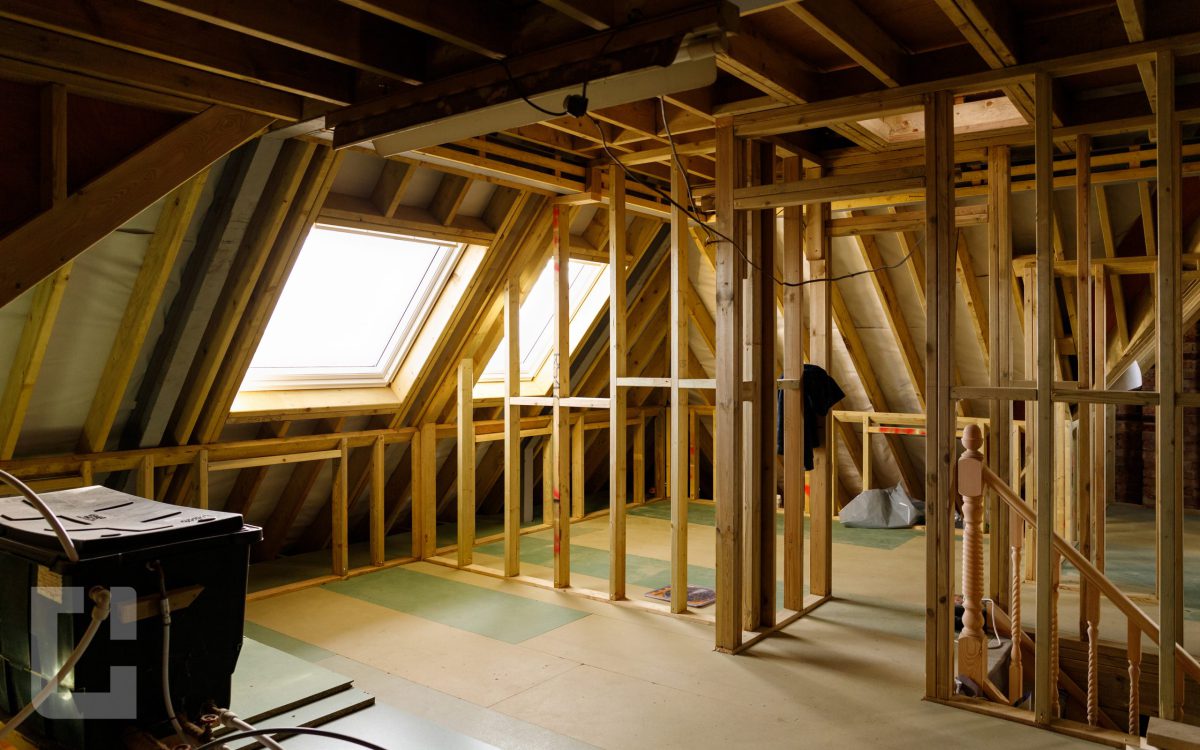
Extending is only the better option if your property can give you the right space. That depends on your roof structure, available head height, where a new staircase can sensibly go, and the planning context on your street.
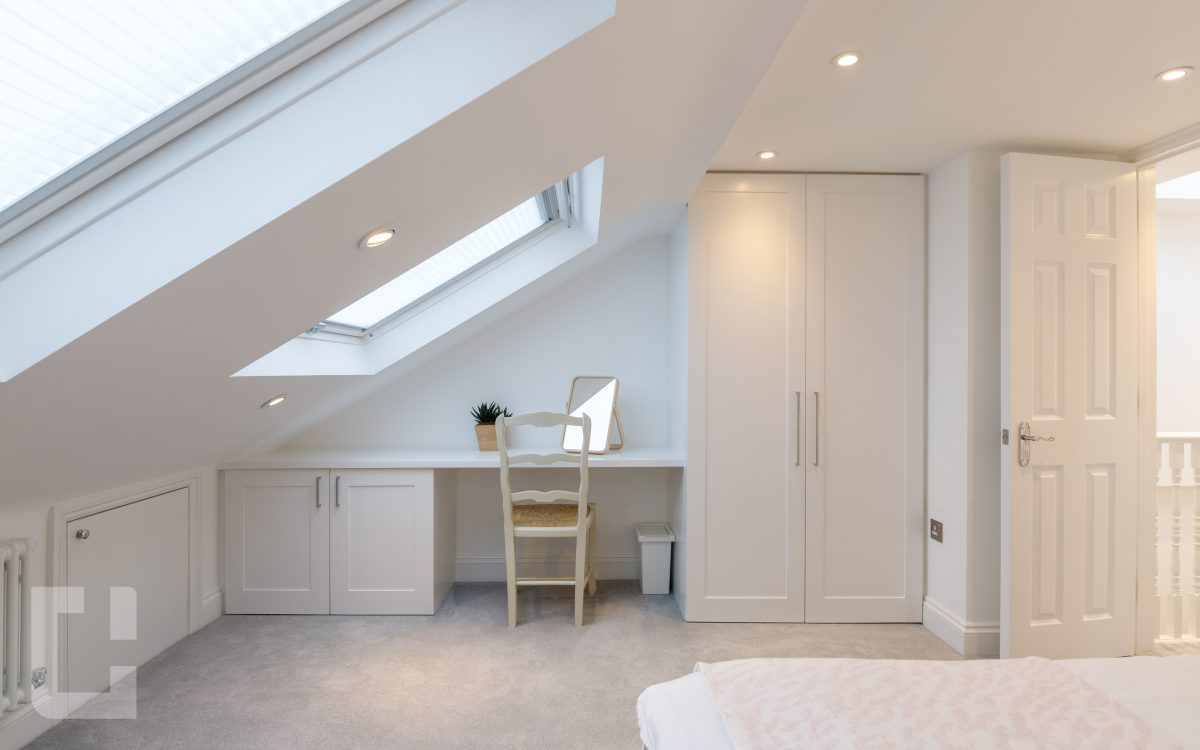
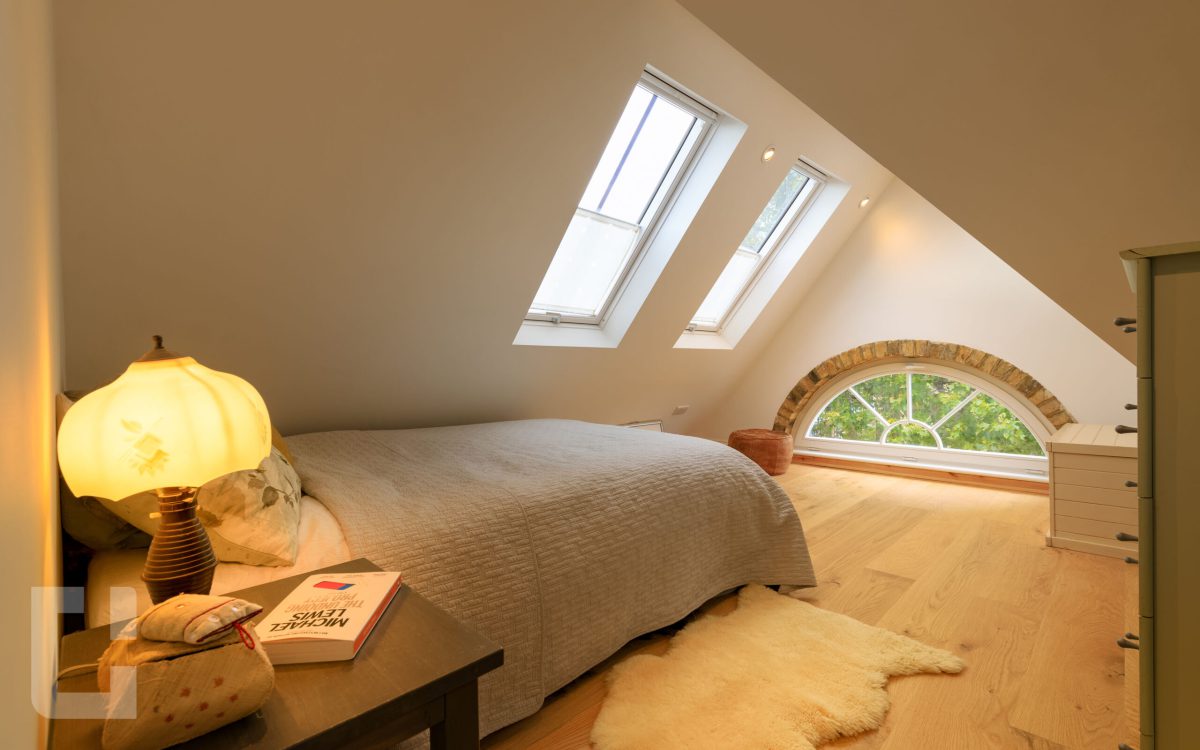
The good news is that this is answerable early, and it does not require you to spend much to find out. Some homes comfortably give a double bedroom with an ensuite. Others, particularly Victorian and Edwardian houses with a rear addition, can produce two rooms. Flats and maisonettes depend heavily on lease terms and whether the roof space belongs to your property at all.
Planning is a separate question again. Many conversions fall under permitted development, while others need a full planning application, and conservation area status or an Article 4 direction can narrow the options considerably. Our overview of loft conversions across London explains how conversion type is matched to property type and planning route.
If the honest answer is that your roof cannot produce the space your household needs, that is genuinely useful information. It moves the decision forward rather than leaving it open.
Both routes involve disruption. They are just different in shape.
A well-managed build is disruptive but defined. Most of our clients stay living in their home throughout, with protective coverings, daily clean-ups and clear warning before the noisier stages such as the staircase going in. You know roughly how long it will last and what each stage involves. We will not pretend building work is effortless, but it is a period with an end date.
House-hunting disruption is open-ended. Chains collapse, offers get gazumped, and a completion date can move repeatedly for reasons entirely outside your control. Then you pack up everything you own.
Neither is pleasant. Some households find a few months of controlled mess at home far easier to absorb than a year of not knowing where they will be living. Others feel the opposite. There is no correct answer, only the one that fits your household.
Think carefully about what your home needs to do in five to ten years rather than right now.
A second child on the way, a teenager who needs their own room, two people working from home, a parent who may eventually move in, or a desire to create a self-contained space for rental income all point in different directions. We have built lofts designed as separate rental flats as well as lofts designed purely as a quiet retreat away from a busy household.
If the space you will need later is genuinely beyond what your property can provide, moving may well be the sensible decision. If a conversion covers it, staying and extending usually preserves far more of your money.
You do not need to resolve everything before making the first enquiry. Getting a realistic picture of what your property could achieve is the fastest way to turn a vague debate into a decision.
Send us your address and phone number, and we will usually look at the property first and call you to talk through what is realistically achievable, with an indication of cost and timeline. From there you can book a visit with no obligation, and we normally provide a written quote within about a week rather than leaving you waiting.
If you want approvals resolved before committing to a build, our drawing and planning service can be taken on its own, and the drawings remain yours.
Work through the six questions and the pattern usually becomes clear. Strong attachment to the area, a roof with potential and a defined budget point towards extending. A genuine desire to leave, or space needs that outgrow the property, point towards moving.
The decision is far easier once you know what your own home can actually do. That part we can help you answer.