Loft Conversions
Every loft type, designed, approved and built by one team. more details
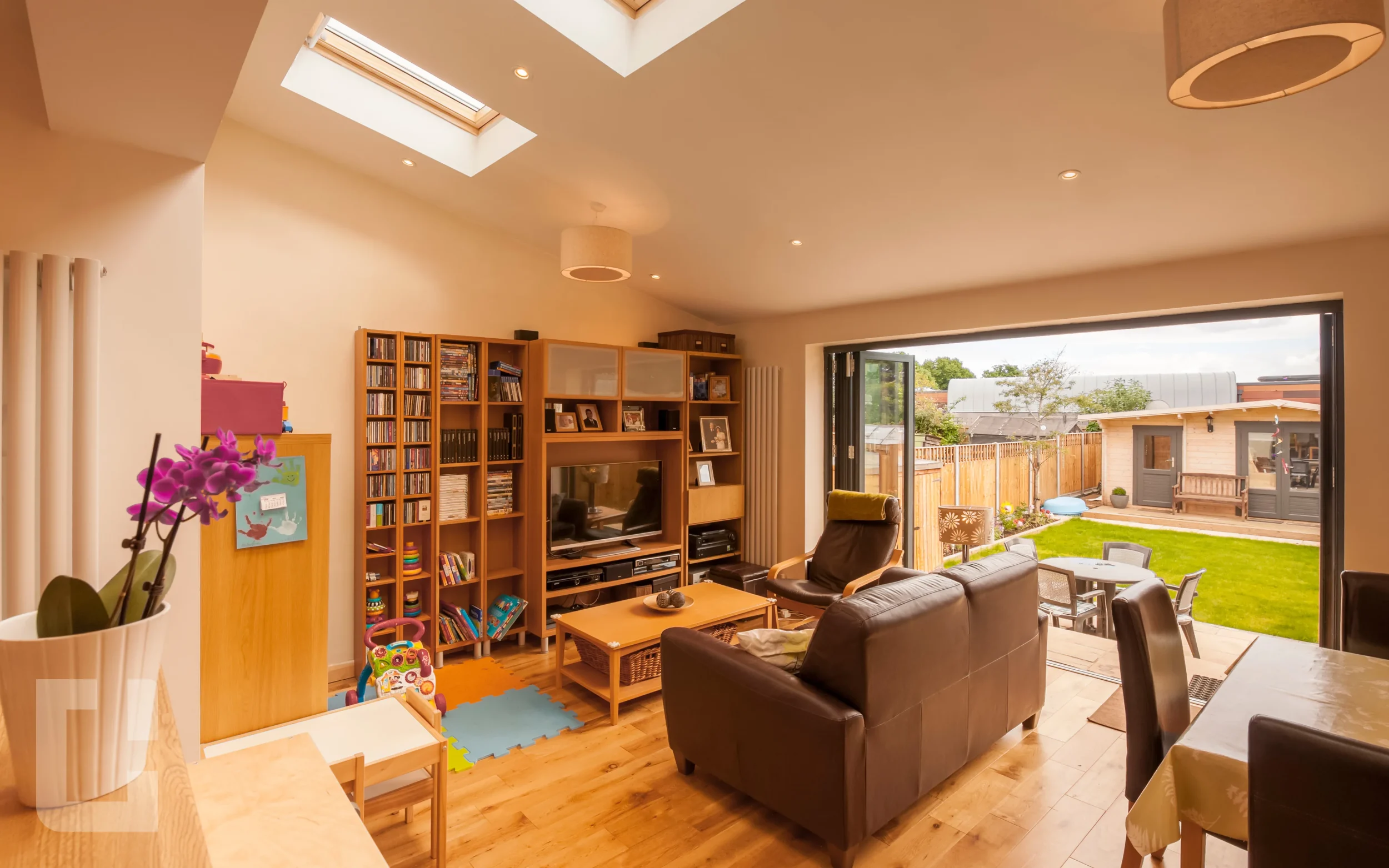
Georgian and Victorian terraces, planned around Islington's conservation guidelines.
Share your address and we'll call to discuss conservation status, roof form and options.
Is there a butterfly roof behind your Islington parapet? Many Islington terraces hide V-shaped butterfly roofs behind front parapets, and council guidelines expect it to be respected.
With 42 conservation areas, and Article 4 directions in 40 of them, roof enlargements there need planning permission, and several guidelines resist extensions visible from the street.
Understand your loft optionsSince 2007 we've handled drawings, approvals and building work under one roof.
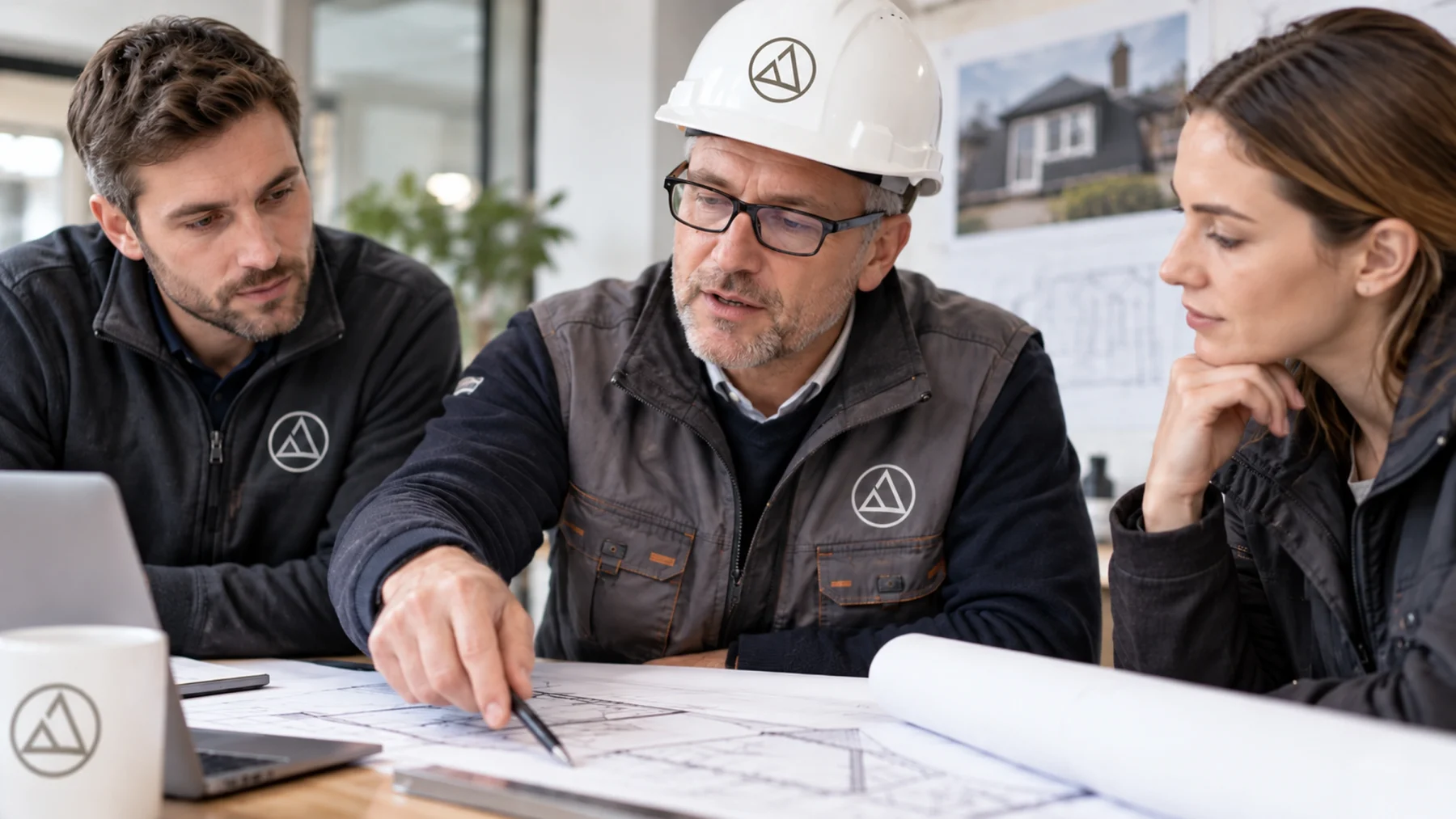

The people building your loft work for Central Lofts, so standards stay consistent and you know who is responsible for every stage.
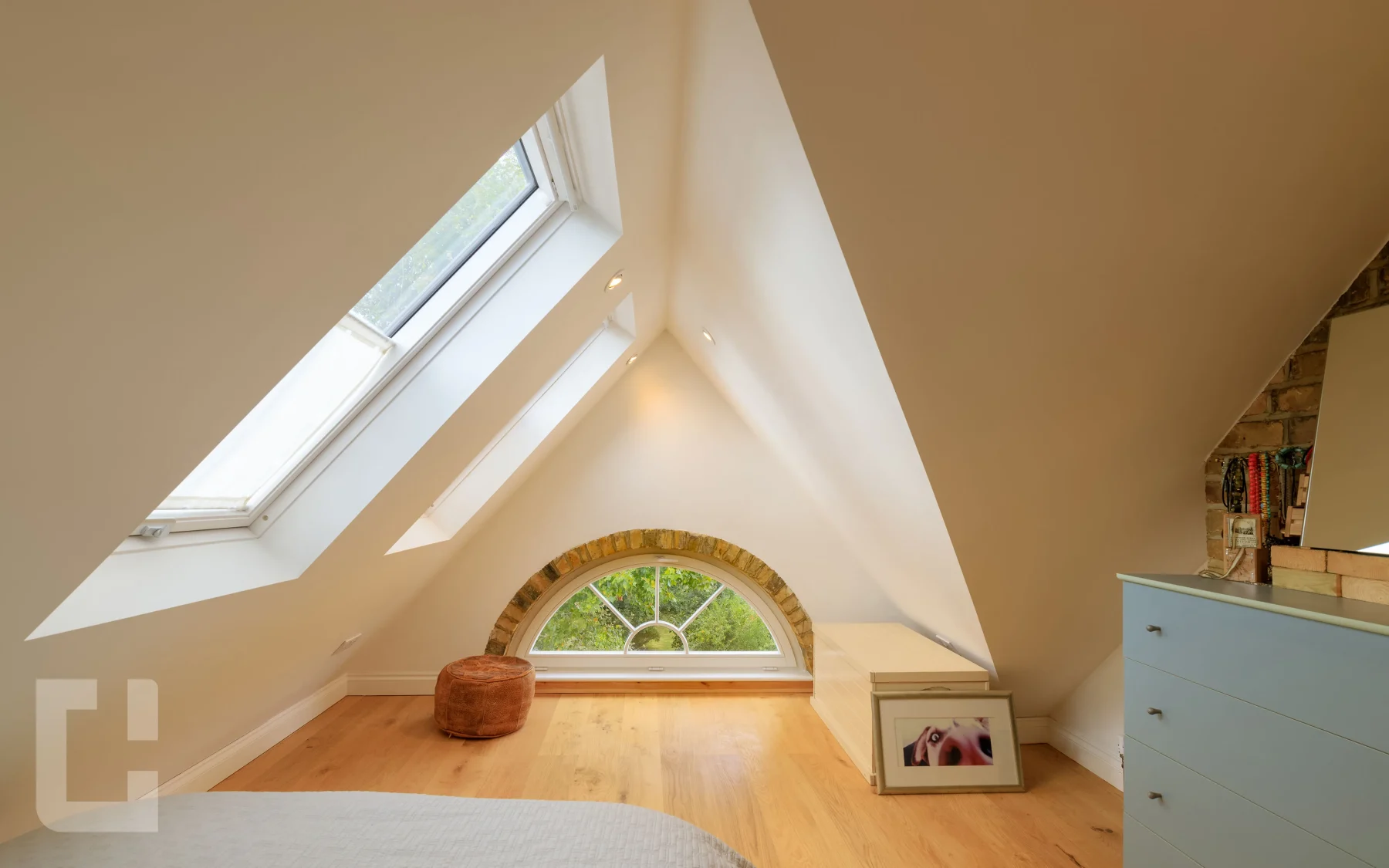
There's no large upfront payment. Costs are split into six stages linked to progress on site.
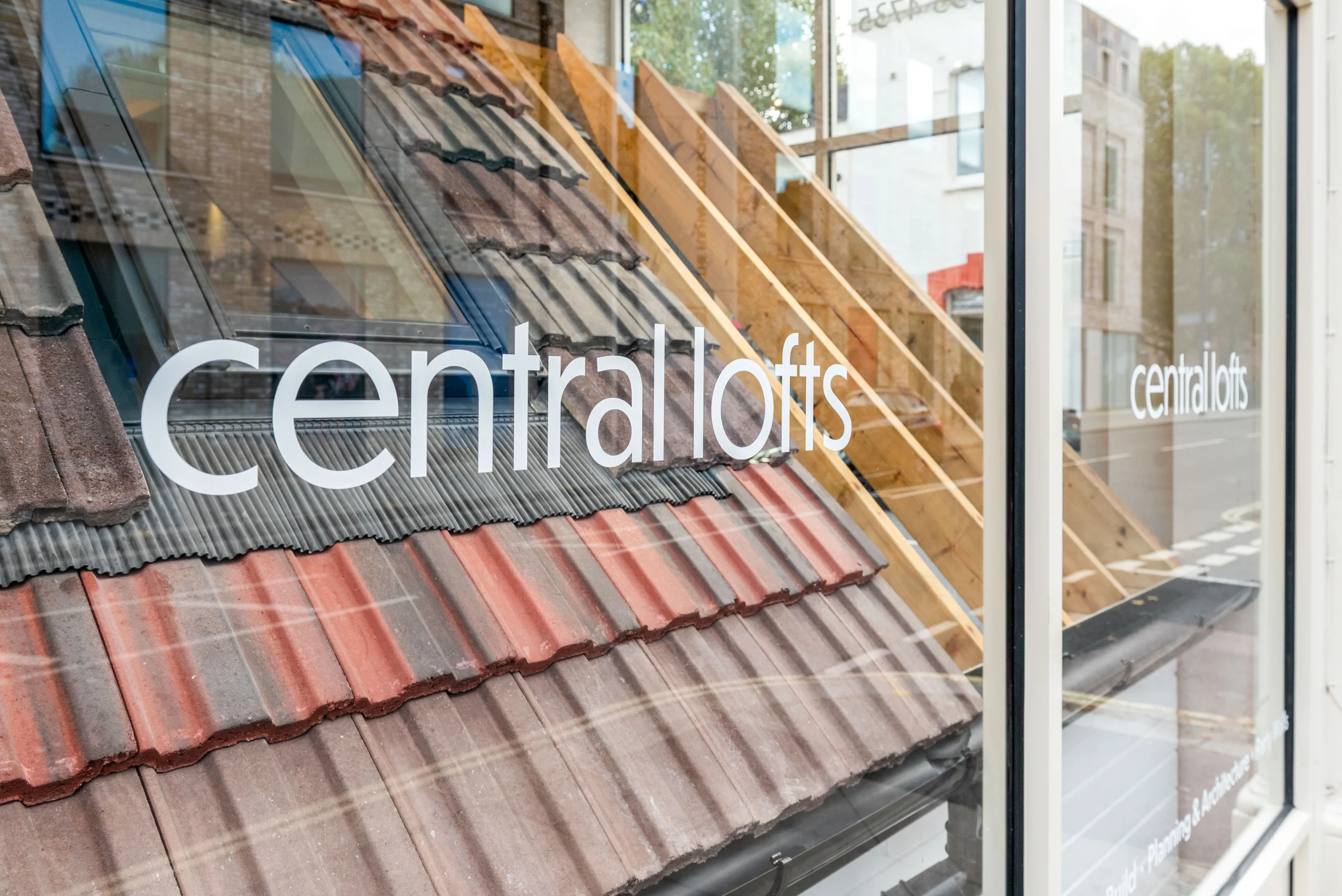
Drawings, planning where required, building control and construction are coordinated for you, with regular updates throughout.
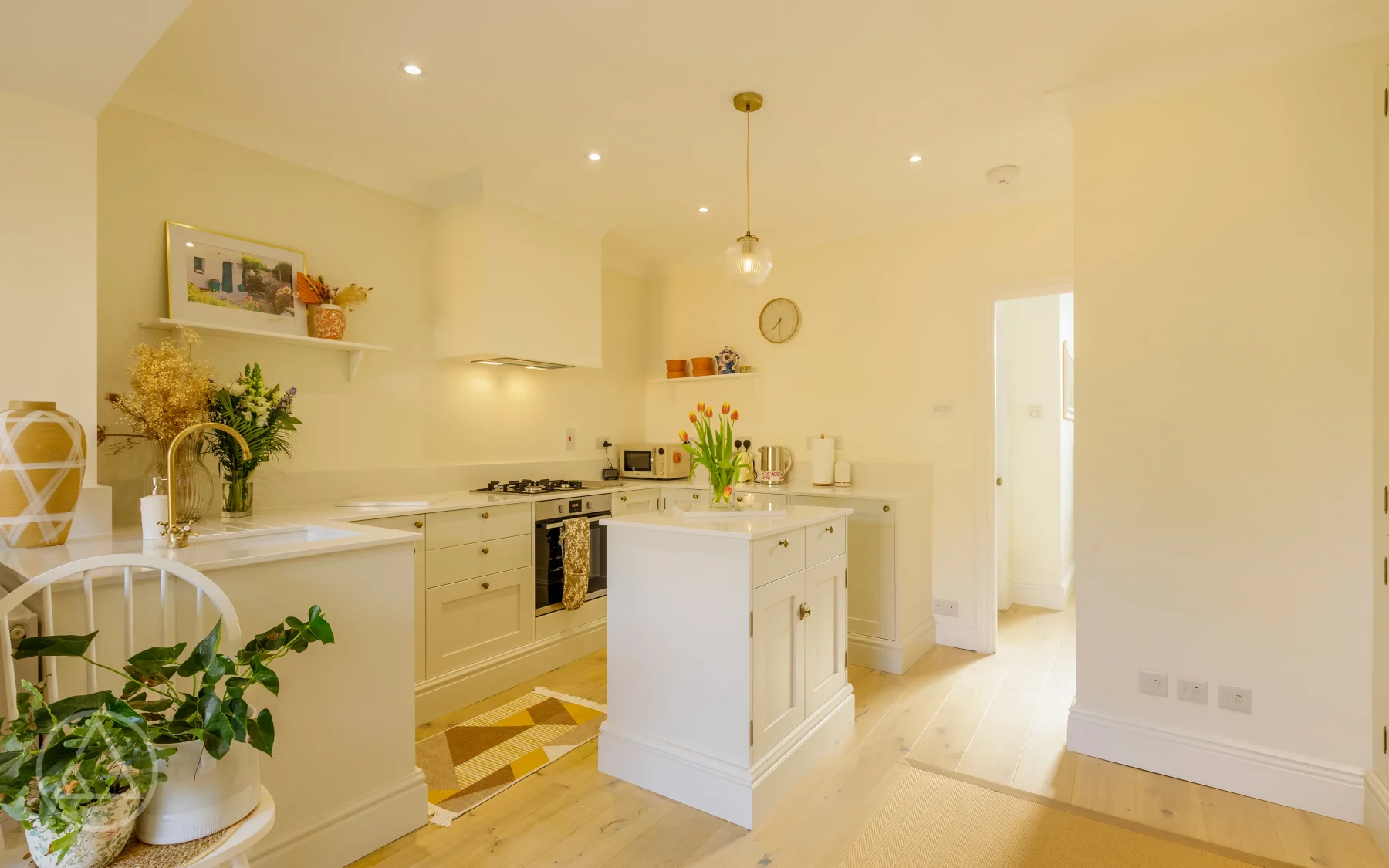
Most clients stay at home during the build. Teams protect lived-in areas, tidy the site daily and explain what each stage involves.
Loft types
Not every option suits Islington terraces.
Islington planning context
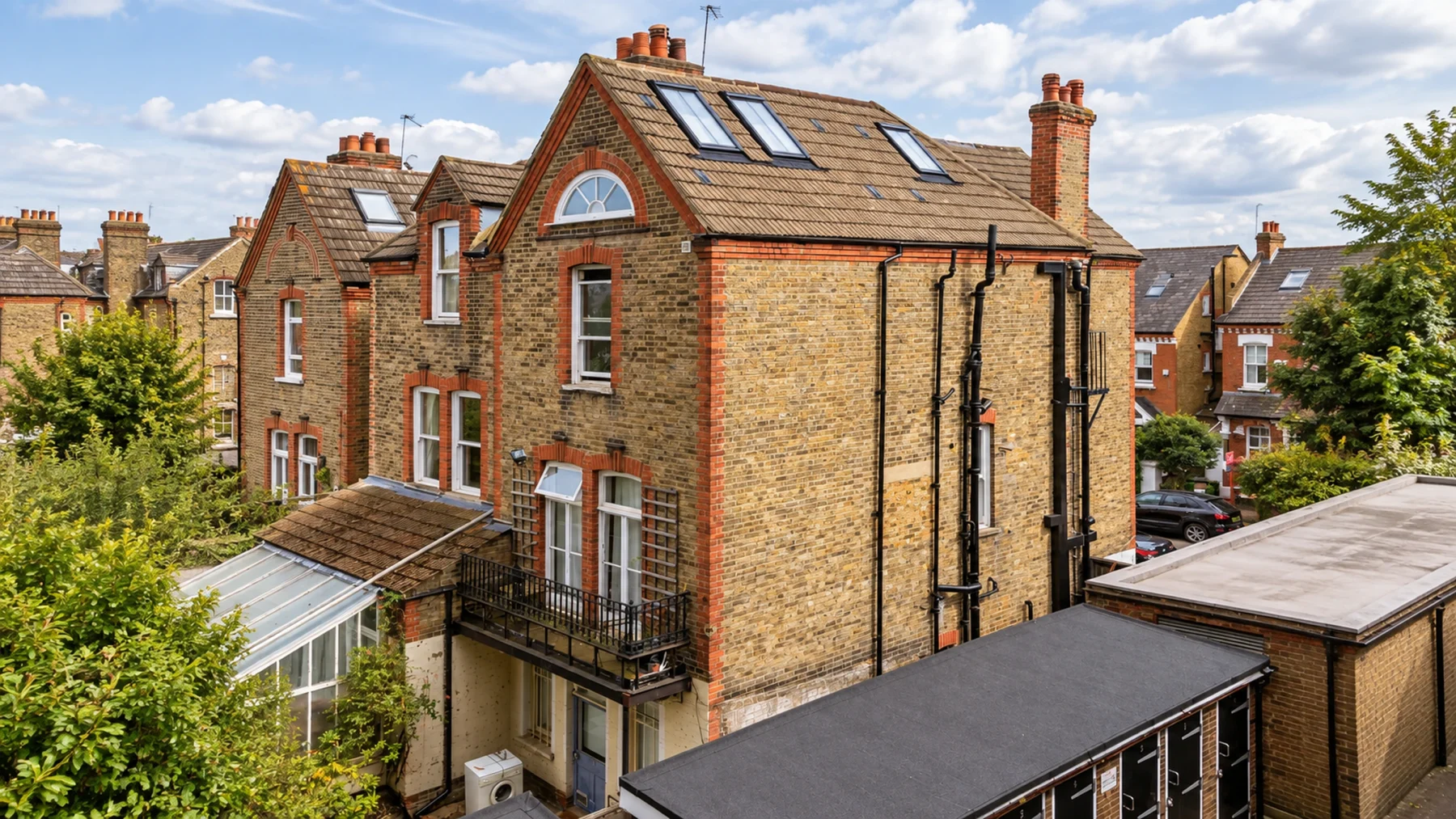
Islington’s conservation area guidelines often state that roof extensions visible from the street won’t be permitted, and that butterfly profiles should be retained.
The council’s Urban Design Guide also illustrates mansard types and butterfly parapet profiles, which helps frame realistic proposals early.
A showroom across London
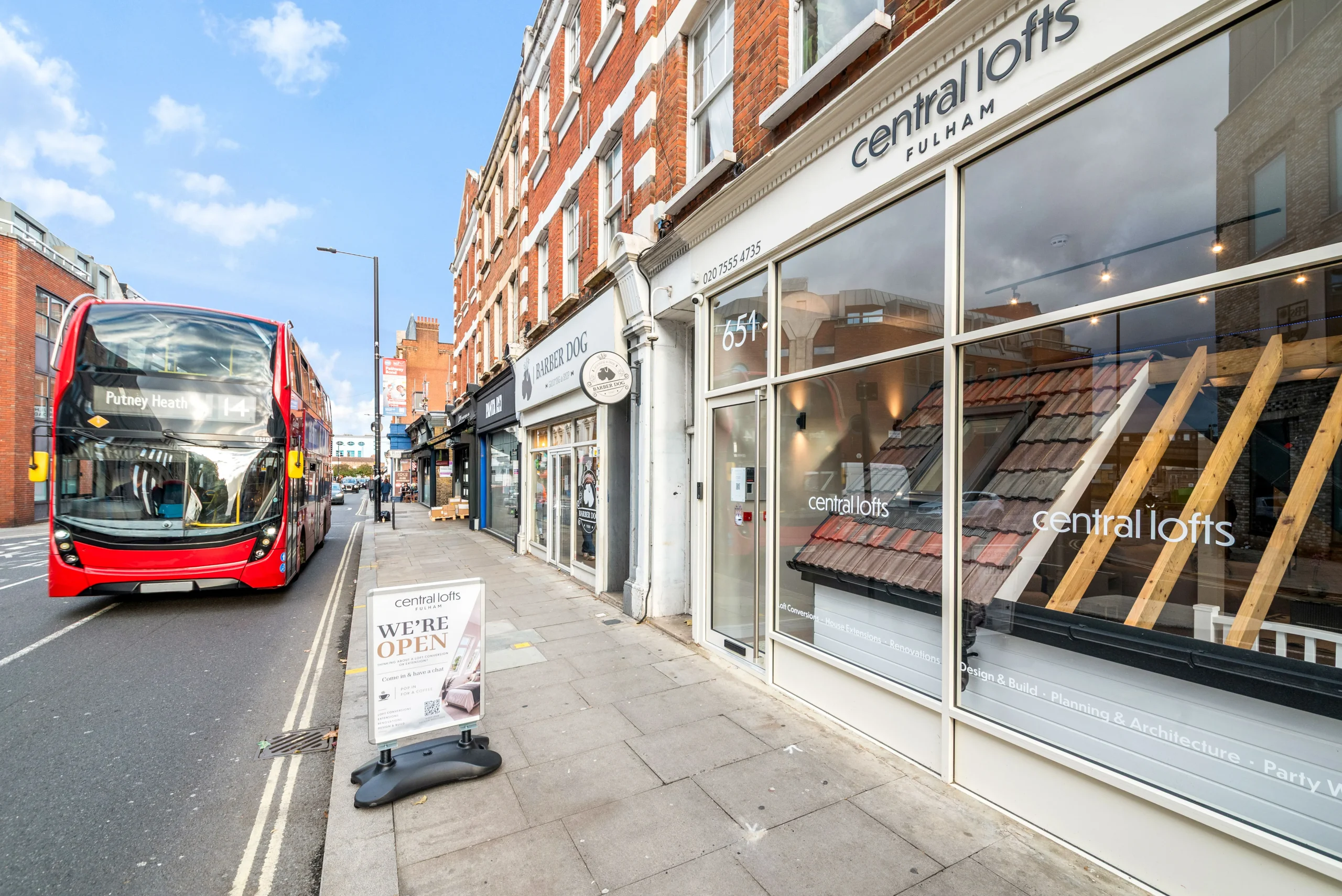
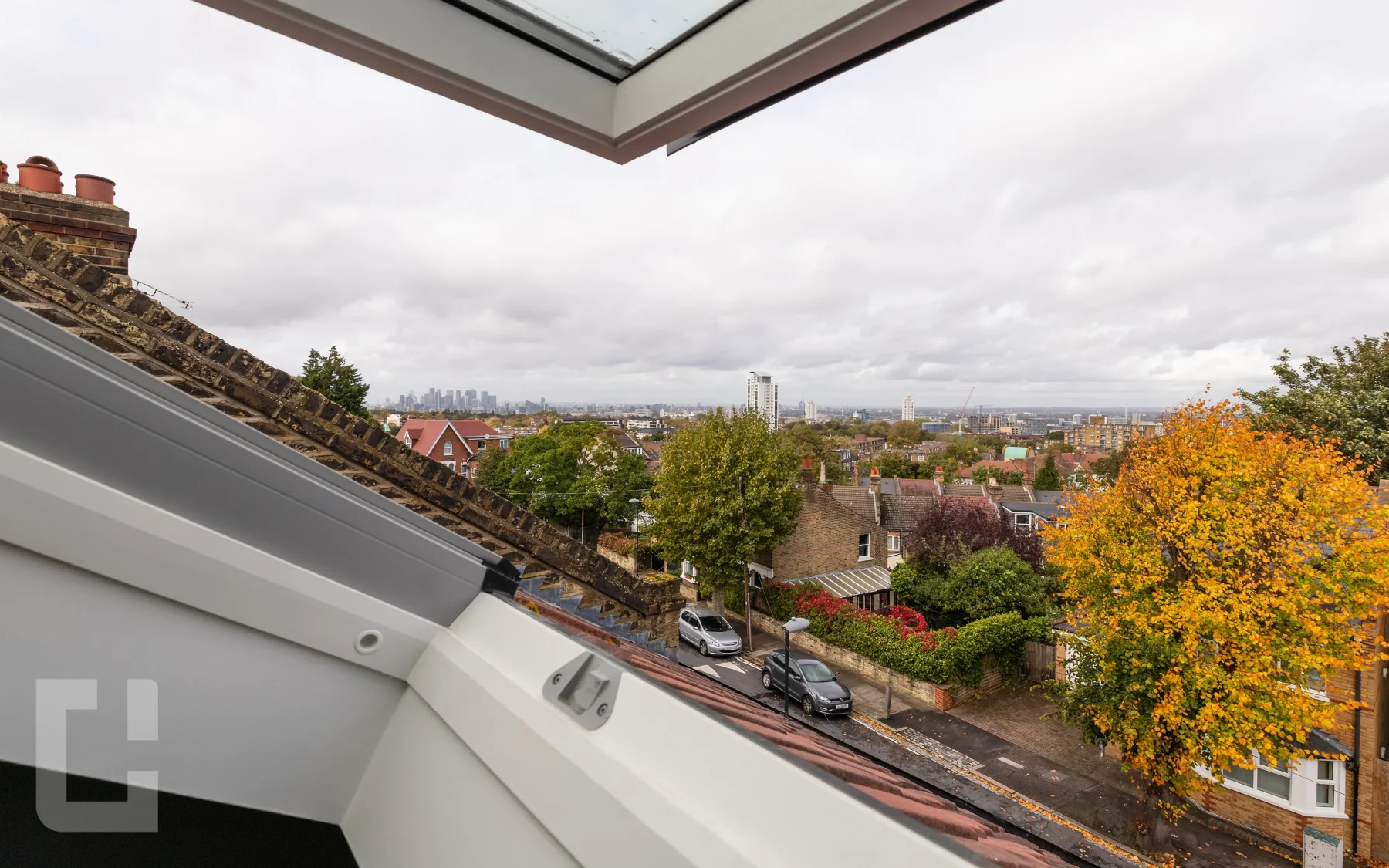
Our showroom is at 651 Fulham Road in west London, with floor finishes, paint samples, a wardrobe section and insulation examples you can explore.
It’s entirely optional. Consultations there are free on weekdays from 9am to 5pm, and we can also meet you at home.
Portfolio
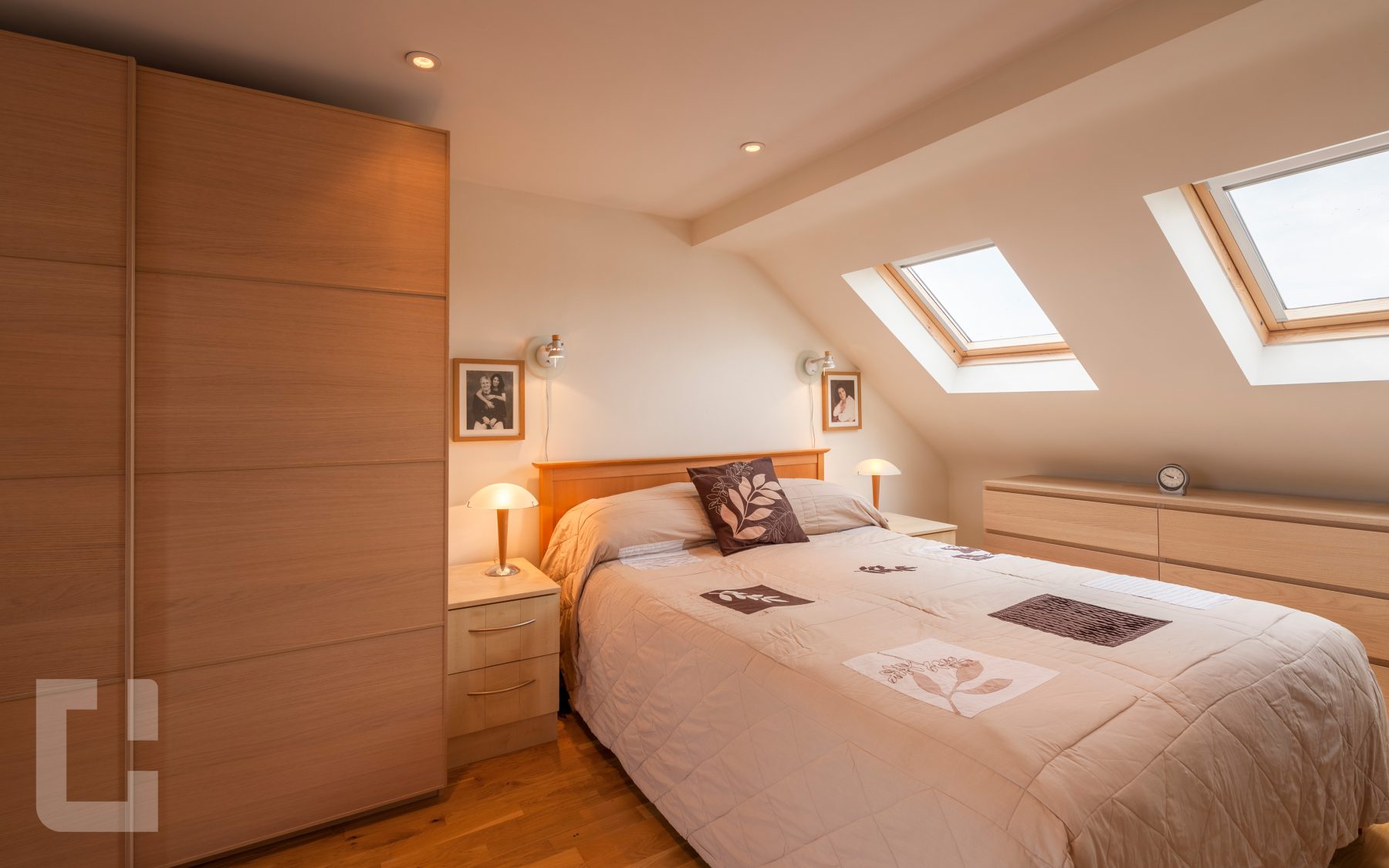
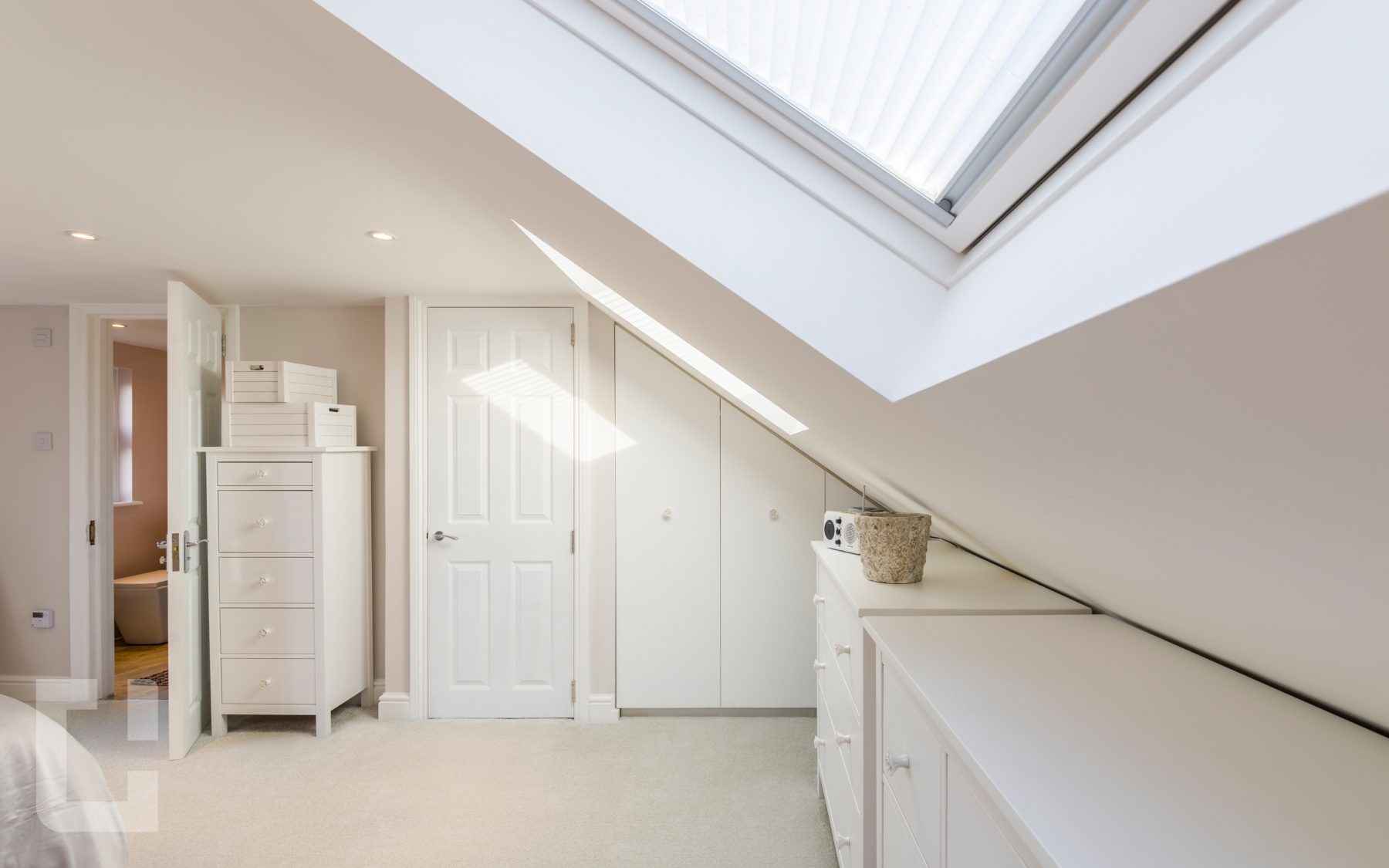
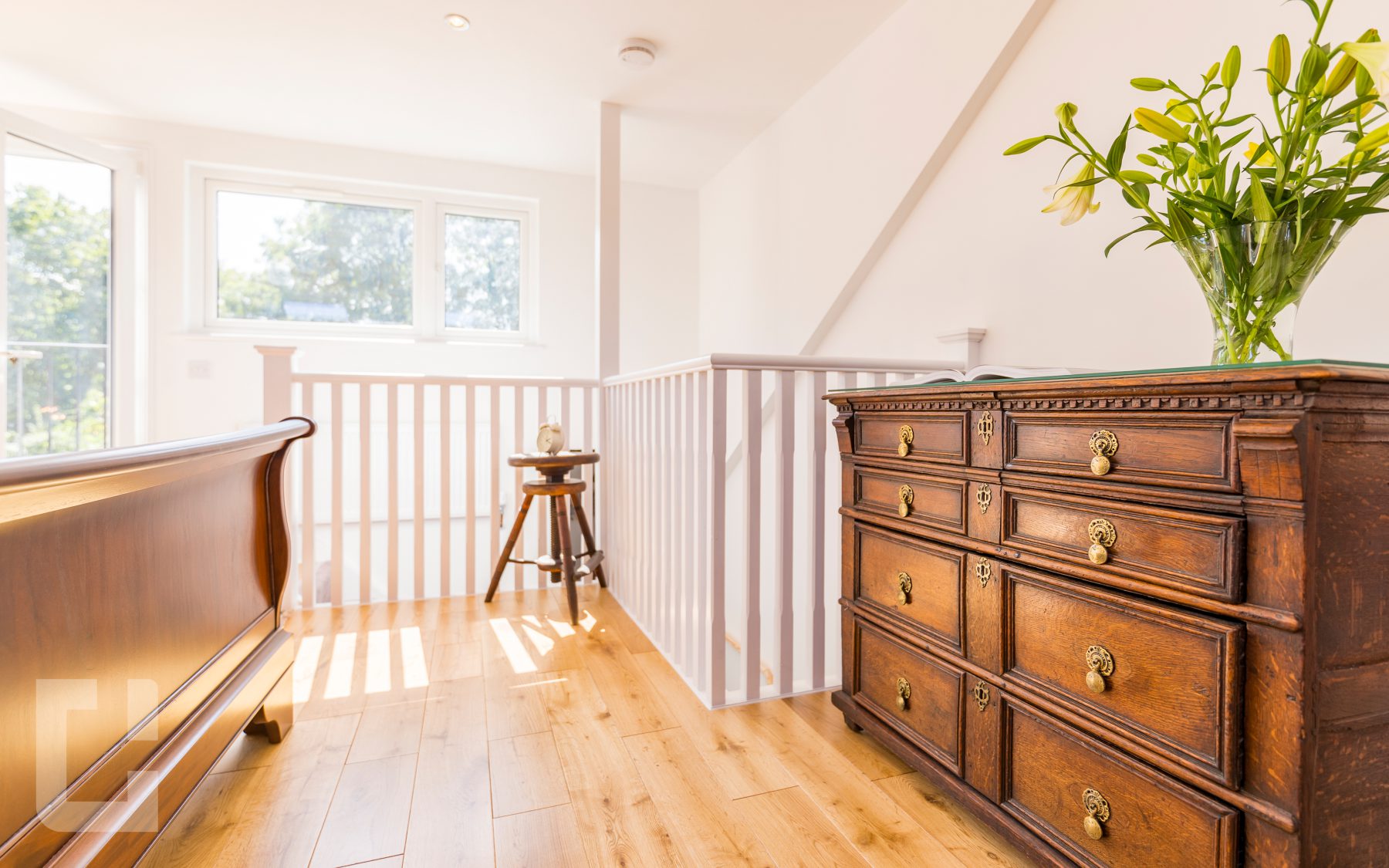
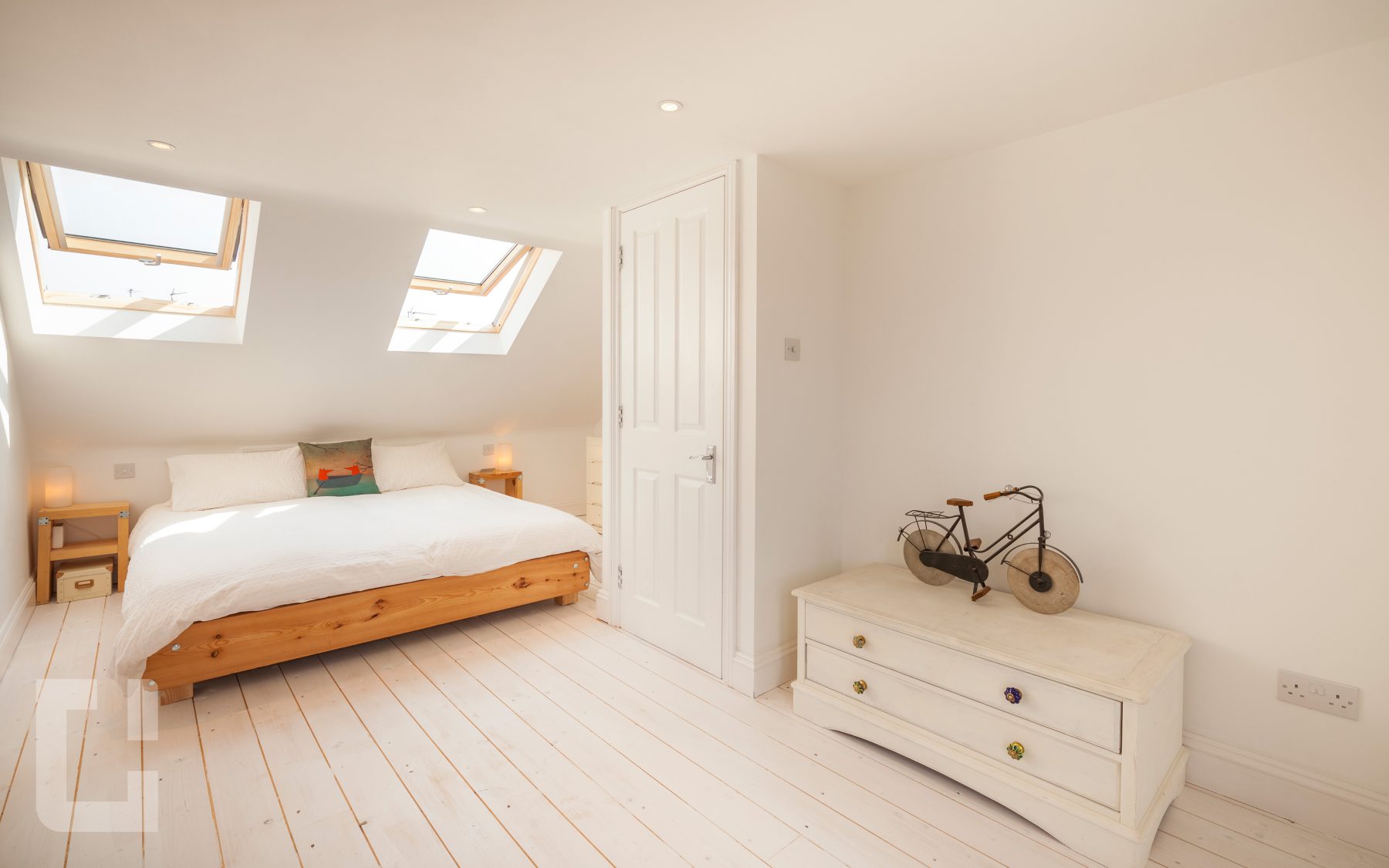
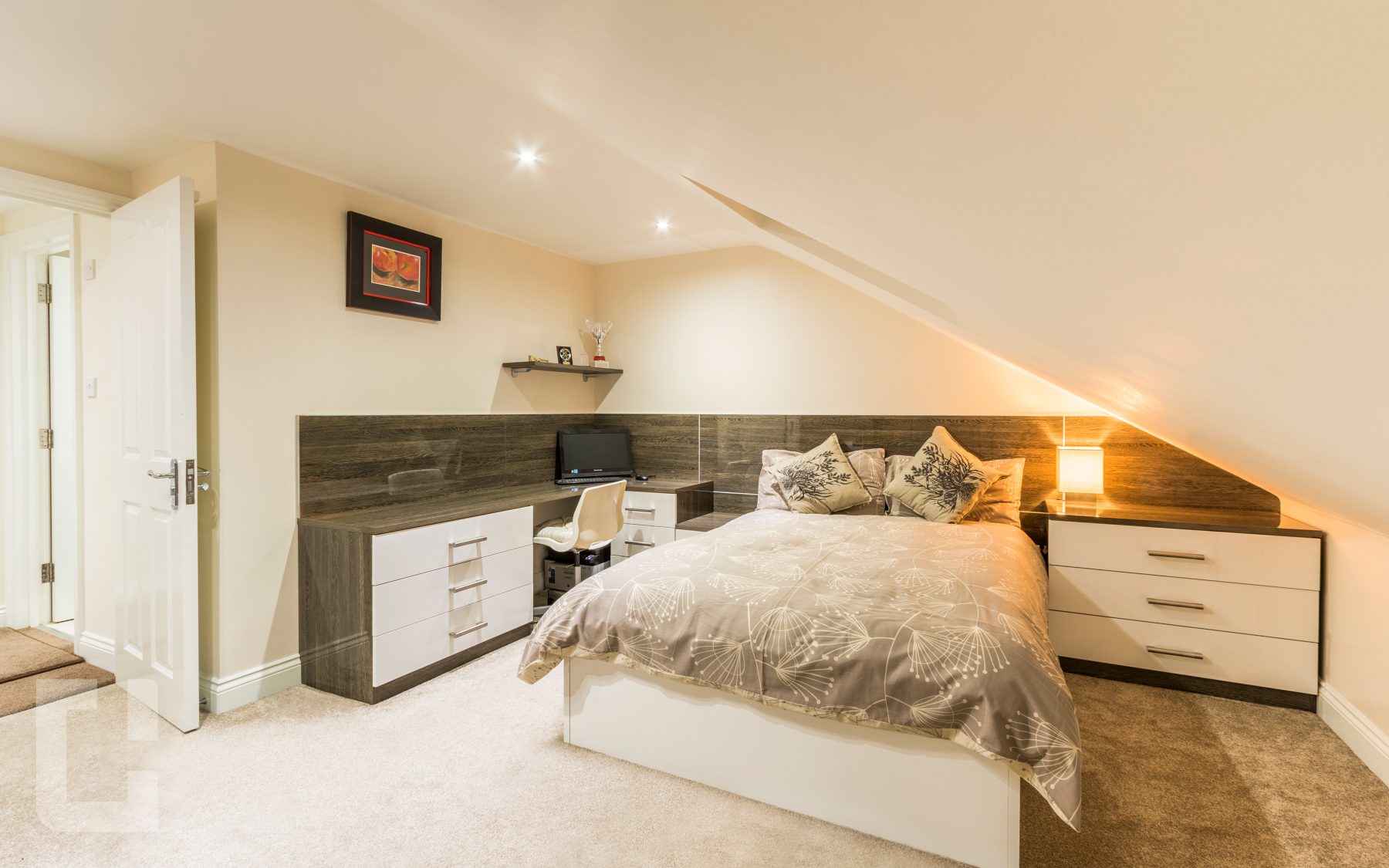
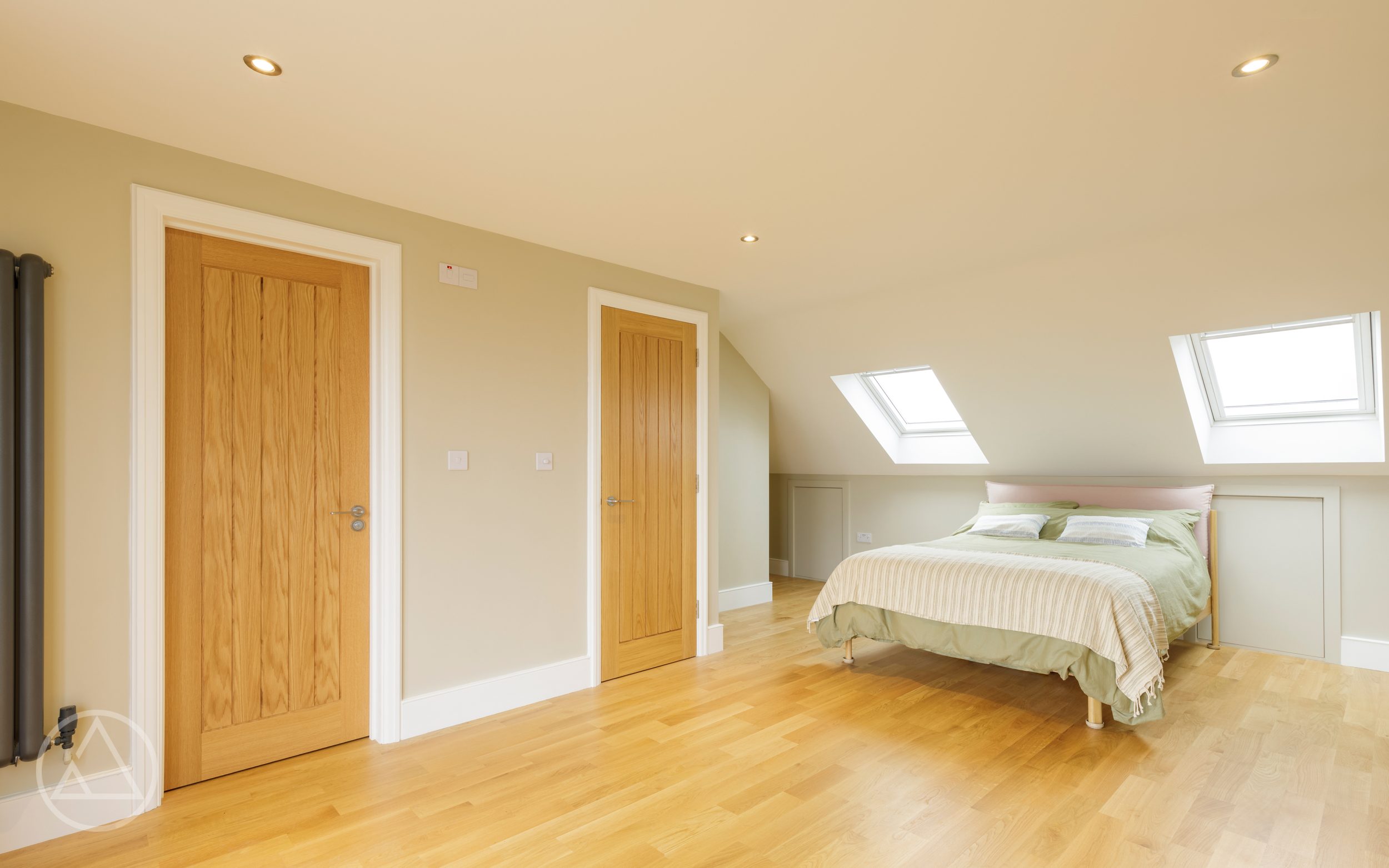
Completed Central Lofts conversions in Islington and nearby Haringey and Enfield.
FAQs
Very often, yes. Islington has 42 conservation areas, and permitted development rights for roof enlargements don’t apply in any of them; the council has also made Article 4 directions in 40. Flats have no such rights either, and Islington has many flats. A house outside a conservation area may be able to add a rear dormer under permitted development within the national limits, but many Islington terraces have butterfly roofs that don’t lend themselves to that. We confirm your position before any design work.
Sometimes. Because a butterfly roof dips in the middle, there is little usable space inside it, so converting it usually means adding a new storey, typically a mansard. In conservation areas, Islington’s guidelines often require the butterfly profile to remain visible at the back and resist extensions visible from the street, although set-back extensions that can’t be seen from public areas may be acceptable in some places. We’ll assess what your street’s guidelines allow before suggesting a design.
Several conservation area guidelines list specific properties where traditional roof extensions may be permitted, for example in schedules within the Barnsbury and Highbury Fields guidelines. Elsewhere, an unbroken historic roofline can weigh against any visible roof extension. Checking whether your house is on such a schedule is one of the first things we do.
Not very. Clients typically make a few key decisions, such as where power points go and which bathroom items to choose, and we manage the rest, including trades, building control and the schedule. We keep you updated throughout, often by WhatsApp for quick answers.
Much of our work is in south-west and south-east London, but we do take on projects further afield. Leave your details and we’ll confirm on the first call whether we can help with your project.
 Visit our showroom
Islington sits north of the river, away from our core south London areas. Use these links to explore other locations.
Share your address and we'll check conservation status, any roof-extension schedules and your roof form, then explain whether a conversion is realistic before any visit.